HIPAA and BAAs
For US products involving PHI, we plan encryption, audit logging, role-based access, automatic logoff, eligible cloud services, and BAA-chain review.
We build mobile apps for healthtech, mental health, and telehealth companies. From HIPAA-scoped clinical apps to AI-assisted mental health platforms, we design safety architecture and usability from the ground up.
/ PRODUCT TYPES
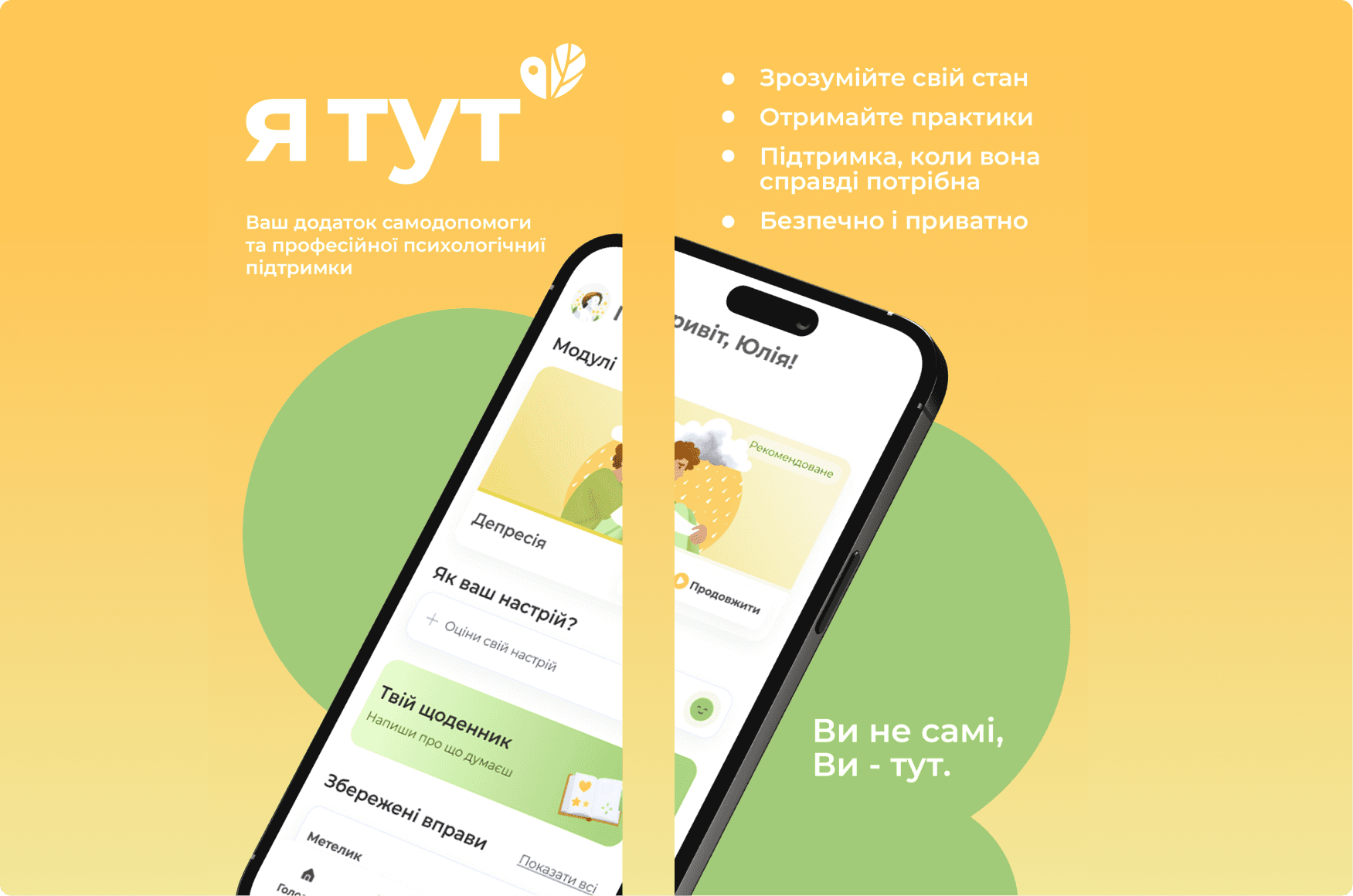
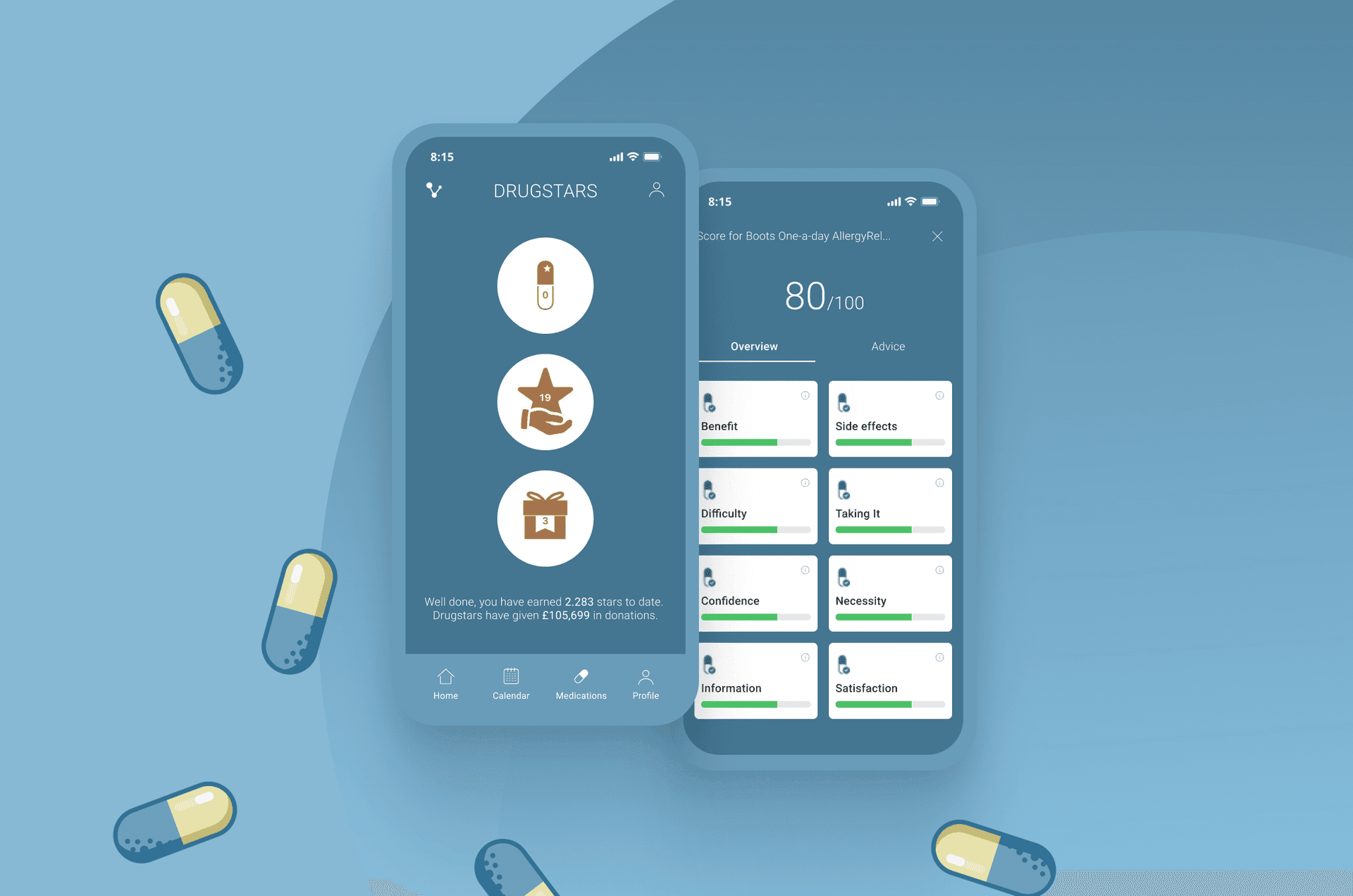
From mental health platforms and telehealth apps to clinical workflow tools and patient engagement products, we build around trust, security, and the daily reality of patients, clinicians, and care teams.
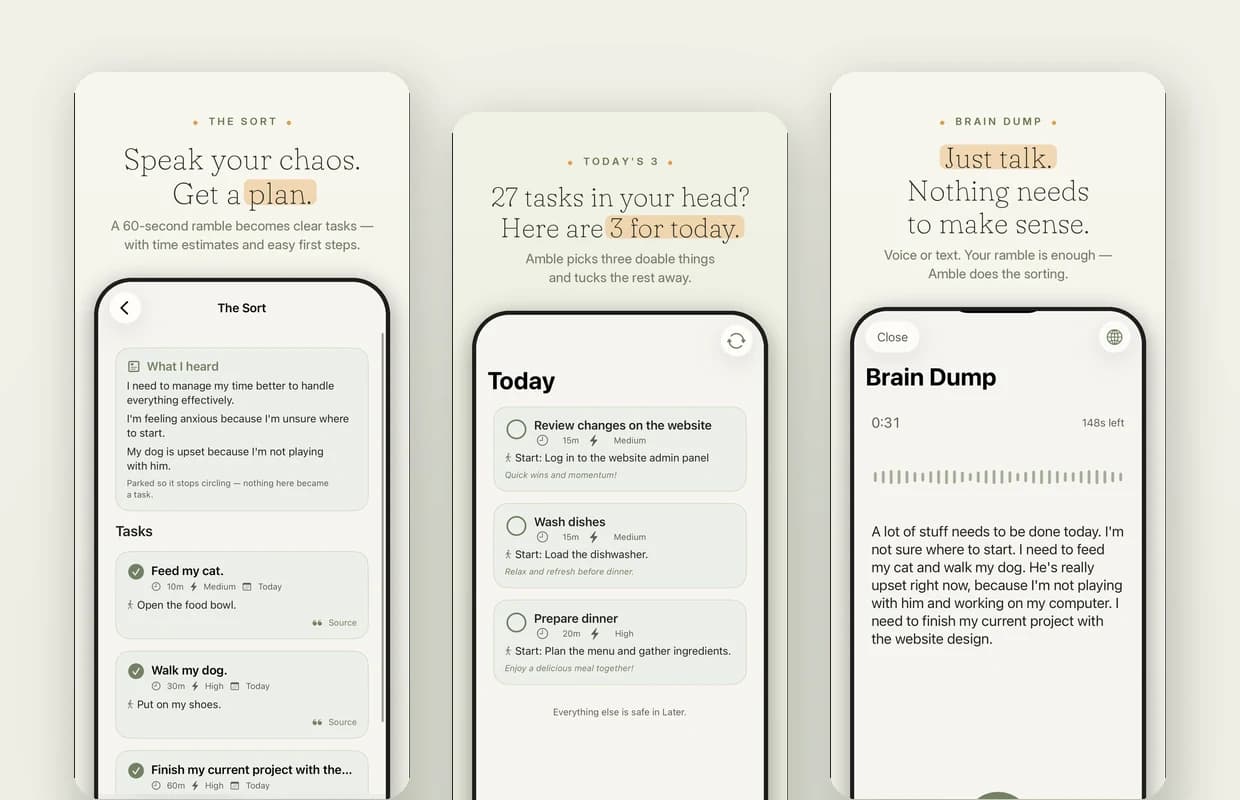
Safe AI assistants, clinician handoff, crisis routing, content flows, and patient experiences that do not pretend software is a therapist.
Read AI safety guideVideo visits, async consultations, secure messaging, intake forms, prescription routing, and care-team dashboards.
Explore mobile appsMobile products that touch PHI, with security safeguards planned from week one instead of retrofitted before launch.
Plan compliance scopePhysician assistants, report review, medical documentation support, and decision-support flows with evals and human review.
Explore AI servicesMedication adherence, chronic care, post-op follow-up, reminders, secure provider messaging, and patient education flows.
Mobile products positioned toward SaMD, built alongside your regulatory consultant or in-house clinical team.
Services
/ Technology & Tools
Not every healthtech product needs the same compliance treatment. A consumer mental wellness product has a different risk profile from a telehealth platform handling PHI. We define the scope up front, then design the mobile app, backend, AI providers, cloud services, permissions, and audit trails around that scope.
For US products involving PHI, we plan encryption, audit logging, role-based access, automatic logoff, eligible cloud services, and BAA-chain review.
For personal data and special-category health data, we support DPA workflows, data residency decisions, consent logging, and stronger field-level controls.
Mental health and clinical AI features need crisis-detection patterns, output evaluation, memory boundaries, and human review where risk is high.
For products moving toward Software as a Medical Device, we work alongside your regulatory consultant or clinical team and structure engineering around their guidance.
/ PROCESS
A delivery process for products that need secure mobile UX, compliance-aware architecture, AI safety, integration planning, and enough clarity for clinical or investor review.
Step 1
We identify users, data sensitivity, PHI exposure, GDPR scope, AI risk, EHR needs, and the shortest credible launch path.
Step 2
You get scope, pricing, architecture direction, delivery team shape, and a visible compliance work plan before kickoff.
Step 3
Two-week sprints cover product features, QA, security-sensitive flows, integrations, and compliance milestones together.
Step 4
We support release, app-store readiness, launch checks, post-launch maintenance, and roadmap improvements from real usage.
/ RELATED ARTICLES
Explore selected articles on AI safety, mobile product architecture, and delivery decisions for teams building healthtech and mental health platforms.
AI EdTech is no longer a niche experiment — it's a product expectation. In 2026, founders building learning products who aren't thinking about AI are increasingly rare. The harder question isn't "should we add AI" but "which AI integrations actually improve learning outcomes, which improve engagement metrics without improving learning, and which create risks we haven't accounted for." Our AI development services cover the technical architecture — this guide covers the product and integration decisions that actually matter in education contexts.
Developing AI mental health apps is among the most high-stakes areas in software. AI technology can now provide genuine emotional support, psychoeducation, and crisis guidance. However, poorly designed AI features risk reinforcing negative thoughts, missing crisis indicators, or inappropriately substituting for professional care.
Many founders realize the need for HIPAA-compliant app development only after a developer provides a quote that omits it, or when a hospital partner asks for a signed BAA before moving forward. This guide aims to help you avoid those surprises.
HIPAA scope usually adds cost through encryption, audit logging, access controls, BAA-chain validation, documentation, and penetration testing. We define that scope during discovery so the compliance work is visible in the proposal.
Yes. For US healthtech engagements involving Protected Health Information, we discuss BAAs early and can review your form before the project moves forward.
Yes, when the product includes crisis-detection patterns, human handoff, conversation memory boundaries, output evaluation, and clinical oversight for high-risk paths. We have published a technical guide on this exact topic.
We can work with FHIR R4, HL7 v2, Smart on FHIR flows, and proprietary EHR APIs on a case-by-case basis depending on vendor access and your clinical workflow.
We operate as a Data Processor for client engagements involving personal data, sign DPAs where required, and apply stronger controls for special-category health data under GDPR Article 9.
KeyToTech has headquarters in London and an engineering delivery centre in Lviv. The team works UK and EU business hours with practical overlap for US East Coast clients.
Our ratings stand strong across prominent marketplaces dedicated to sourcing business services


Based on 17 reviews


Based on 47 reviews





Contact
Tell us what you're building — a mobile app, an AI integration, or scaling an existing product. We'll map out the next steps with you.
Prefer email?
[email protected]Share a few details about your project and we'll get back to you with next steps.